
Articles


ICHRA is the 401(k) of health insurance, and the group market is eroding faster than most employers realize. A field report from year one on ICHRA, with a candid forecast on where U.S. employer healthcare is actually headed.

GLP-1 drugs like Ozempic and Wegovy are now a top budget risk for self-funded employers, with per-member costs reaching $766 per month and BCBS projecting up to 14% premium increases. Here's what the math actually looks like and what levers you have.

DOL's final PBM fee disclosure rule makes your pharmacy benefit manager show you, in dollars, how it gets paid. Here's what it covers, when it lands, and what to ask for now.

Self-funded ERISA plans are exempt from the ACA's Essential Health Benefits mandate, giving employers legal room to exclude cosmetic surgery, bariatric procedures, experimental treatments, and out-of-country care. But the exclusions have to be drafted carefully to avoid parity violations, fiduciary exposure, and ADA risk.

ERISA class-action lawsuits filed in 2026 are targeting accident, critical illness, and hospital indemnity products, citing broker commissions of 50–70% of premium and low carrier loss ratios. Here's what employers need to audit before the next open enrollment.
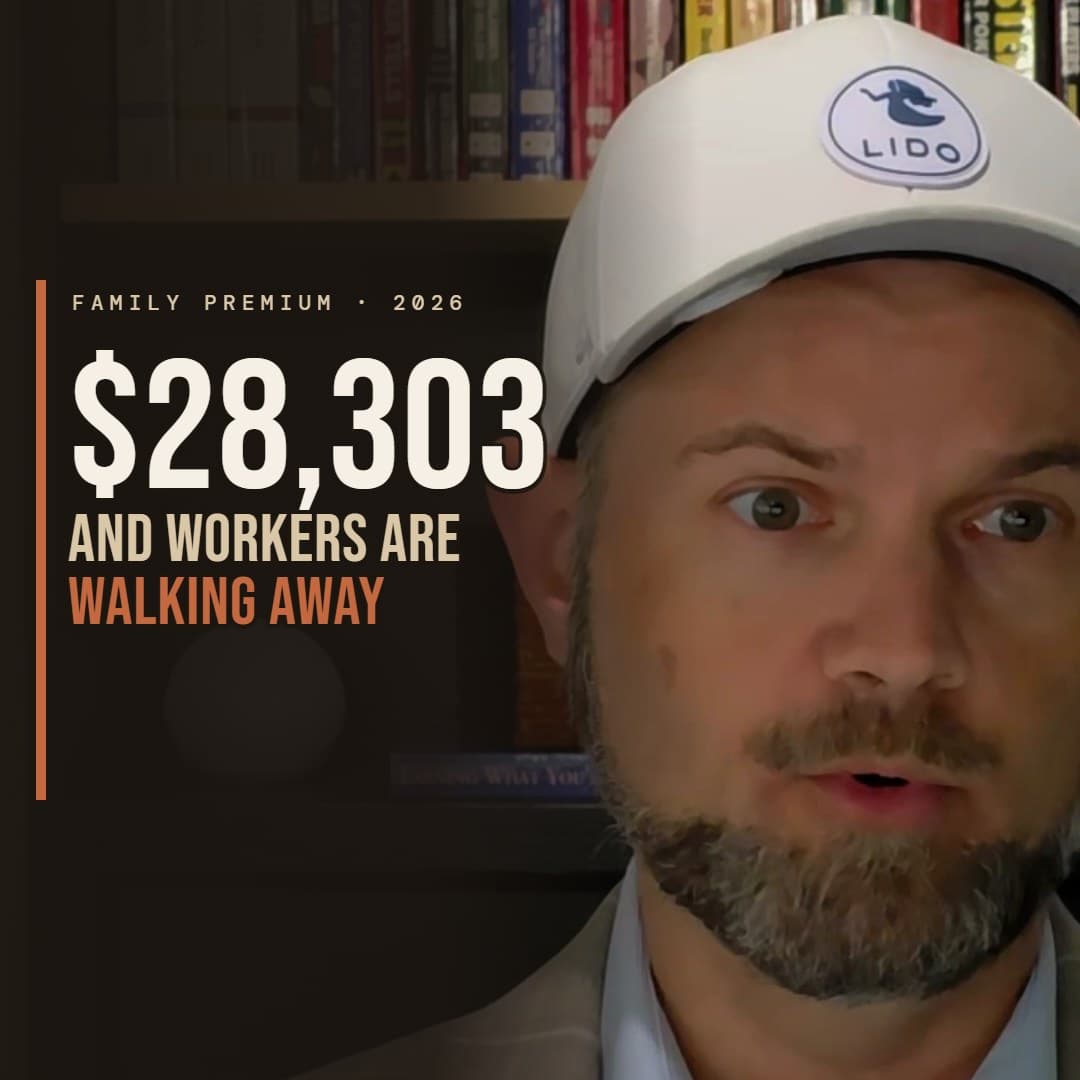
The average family premium hit $28,303 in 2026. Here's what KFF's 2026 survey found, why the national average isn't your peer group, and what to ask for before renewal.

When an employee terminates mid-month, COBRA's first premium period is commonly prorated to cover only the remaining days, then full monthly billing resumes. Most employers don't know this until something breaks.

When your plan mandates mail order for maintenance medications, manufacturer coupons often stop working, and the savings the plan captures may not be the savings you think. Here's what's actually happening and what employers can do about it.

No federal law requires ERISA plans to cover gender affirming care, and 2025 moved the law further that way. A reversed Eleventh Circuit ruling, vacated Section 1557 provisions and narrower parity enforcement changed the risk, but how you write and document an exclusion still matters.

ALE adoption of ICHRA grew 39% year-over-year on a like-for-like basis. Here's what the transition actually looks like on cost, communication, and ACA reporting.
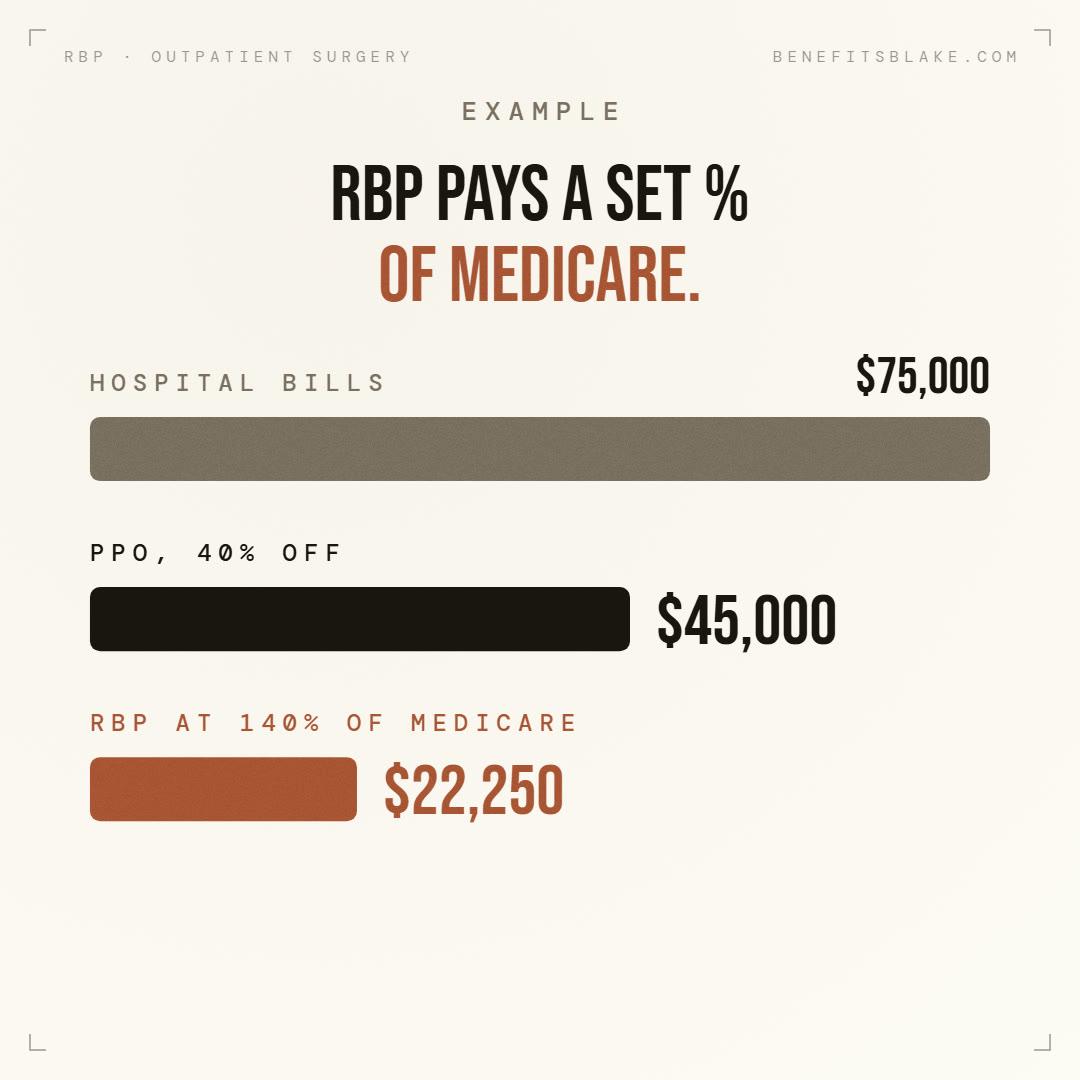
Reference-based pricing reprices outpatient surgical claims to a percentage of Medicare instead of accepting PPO discounts off inflated billed charges. On a single $75,000 procedure, that difference can exceed $22,000.

A broker who negotiates once a year, at renewal, isn't negotiating. Year-round preparation, claims data, and marketplace benchmarking are what actually move the number.