
Articles


The CHIPRA notice has no fixed federal due date. The law says send it to every employee once a year. Here's the practical timing, what changed in the July 31, 2026 model notice, and the mistakes that create exposure.

Calendar-year cafeteria plans must complete Section 125 nondiscrimination testing by December 31, 2026. Here's what the three tests require, who counts as an HCE or key employee, and what to do this week if you haven't started.

When you acquire a self-funded employer, you may inherit their unpaid claims, an expiring stop-loss contract, and ERISA-restricted reserves all at once. Here's what CFOs must address before close.

A 20% renewal is far more often a price problem than a usage problem. Here's how to tell which one drove yours, whether your claims even count at your size, and five moves to make before you sign.

The Gag Clause Prohibition Compliance Attestation is due December 31, 2026. Plan sponsors need to confirm their carrier or TPA has filed, or is filing, before that date.

Second and third shift manufacturing workers face a structural healthcare access gap between 10 p.m. and 6 a.m., when every urgent care is closed, and the ER becomes the only option. Here's what the claims data shows and how plan design fixes it.

ICHRA is the 401(k) of health insurance, and the group market is eroding faster than most employers realize. A field report from year one on ICHRA, with a candid forecast on where U.S. employer healthcare is actually headed.

GLP-1 drugs like Ozempic and Wegovy are now a top budget risk for self-funded employers, with per-member costs reaching $766 per month and BCBS projecting up to 14% premium increases. Here's what the math actually looks like and what levers you have.

DOL's final PBM fee disclosure rule makes your pharmacy benefit manager show you, in dollars, how it gets paid. Here's what it covers, when it lands, and what to ask for now.

Self-funded ERISA plans are exempt from the ACA's Essential Health Benefits mandate, giving employers legal room to exclude cosmetic surgery, bariatric procedures, experimental treatments, and out-of-country care. But the exclusions have to be drafted carefully to avoid parity violations, fiduciary exposure, and ADA risk.
ERISA class-action lawsuits filed in 2026 are targeting accident, critical illness, and hospital indemnity products, citing broker commissions of 50–70% of premium and low carrier loss ratios. Here's what employers need to audit before the next open enrollment.
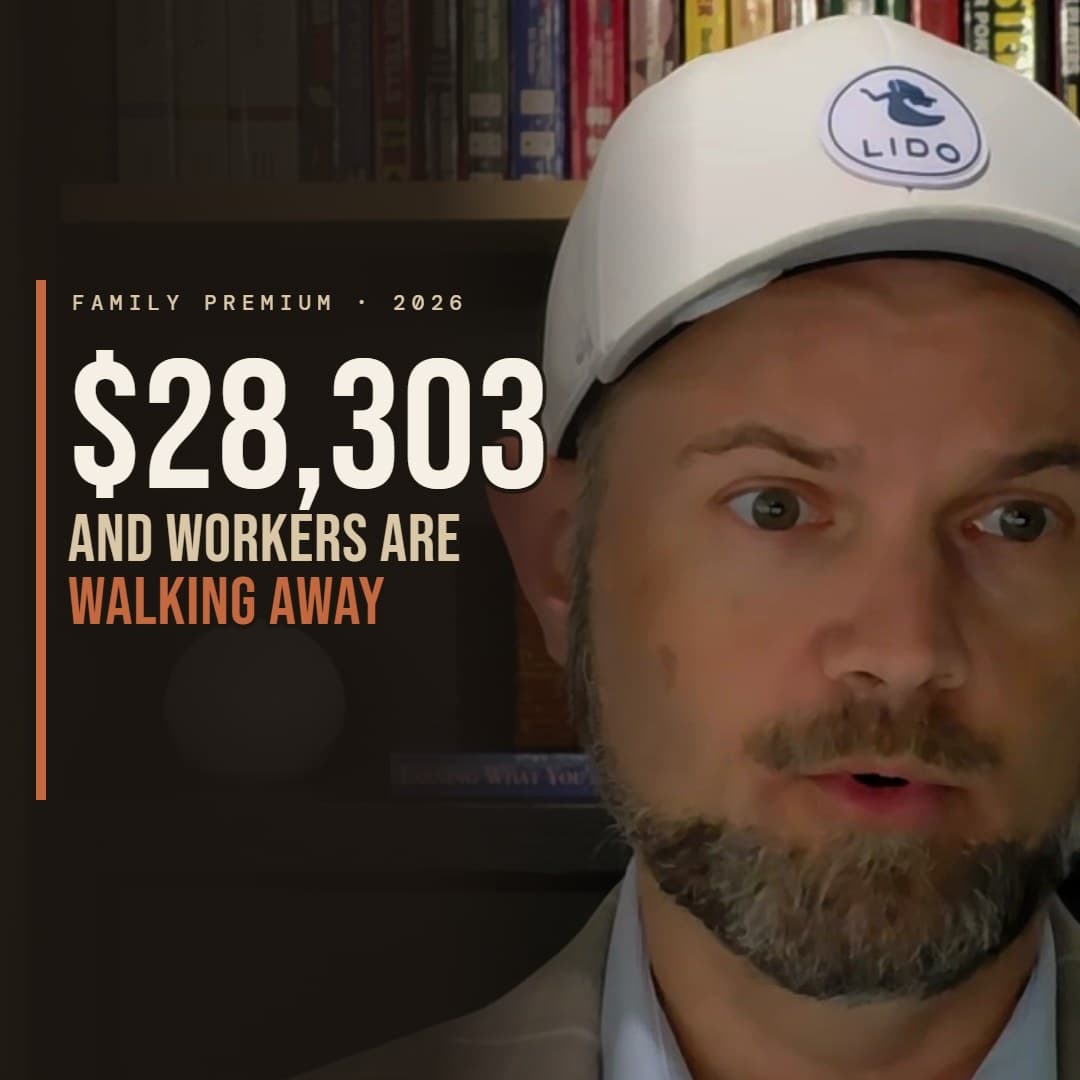
The average family premium hit $28,303 in 2026. Here's what KFF's 2026 survey found, why the national average isn't your peer group, and what to ask for before renewal.